
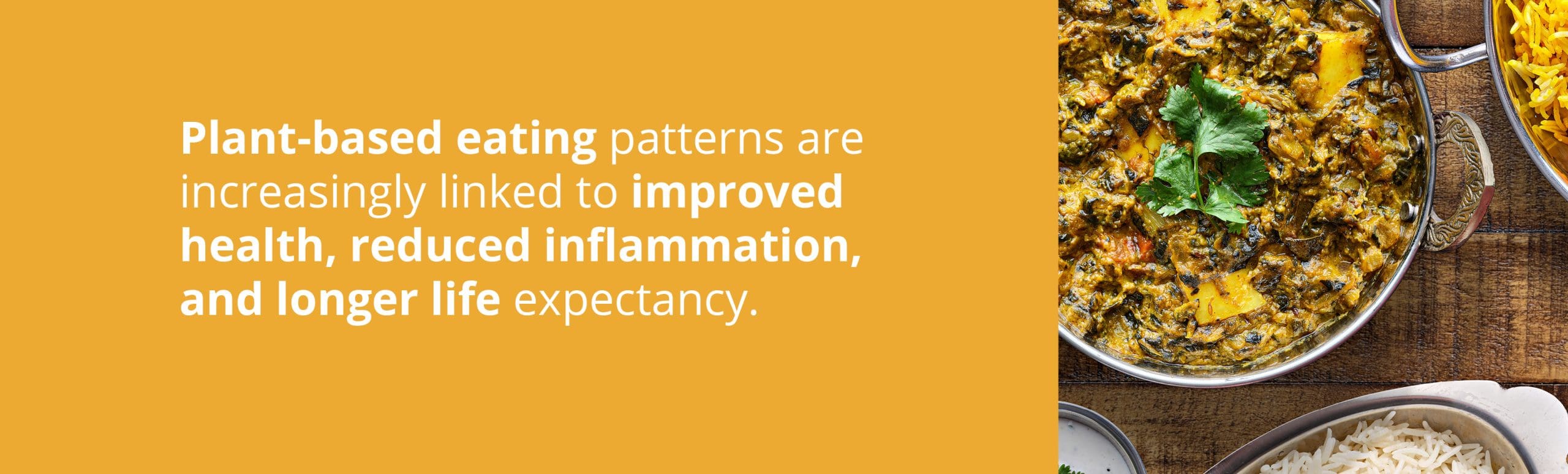
As conversations around longevity, preventive health, and mindful living continue to shape lifestyle choices in 2026, one theme recurs: the powerful connection between plant-forward diets and long-term wellness. Backed by decades of research, vegetarian and plant-based eating patterns are increasingly linked to improved heart health, reduced inflammation, and longer life expectancy.
At the same time, the kitchen itself has evolved. No longer just a place to cook, today’s kitchen is a wellness hub, designed to support healthy eating, efficient meal preparation, and better daily habits. At Anand Nilay, thoughtful kitchen design reflects this shift, blending modern kitchen design trends with flexibility that supports many lifestyles, preferences, and cultural traditions.

The Science Behind Vegetarian Longevity
Scientific research continues to highlight the long-term health benefits of vegetarian and plant-forward diets. Studies consistently show that individuals who prioritize fruits, vegetables, whole grains, legumes, nuts, and seeds tend to experience lower rates of cardiovascular disease, type 2 diabetes, and certain cancers.
Why? Plant-based foods are rich in fiber, antioxidants, and phytonutrients that help combat oxidative stress and chronic inflammation, two major contributors to aging at the cellular level. Diets high in fiber also support gut health, which plays a crucial role in immune function, nutrient absorption, and overall vitality.
Emerging research even links plant-forward eating patterns to improved markers of cellular aging, including healthier cholesterol levels and reduced inflammation over time. While no single diet guarantees longevity, science strongly suggests that consistent eating habits, especially those centered around plants, support healthier aging.
Why Nutrition Starts in the Kitchen
Using the science of vegetarian longevity, building a healthier life can start right in the kitchen. While food choices matter, the environment where those choices are made is just as influential. The kitchen is where daily habits form: what’s easy to reach, how enjoyable cooking feels, and whether preparing meals becomes a routine or a chore.
Studies in behavioral nutrition show that people are more likely to cook at home, eat more vegetables, and stick to healthier routines when kitchens are organized, well-lit, and designed for efficiency. Simple factors like countertop space, intuitive storage, and appliance placement can influence how often fresh meals are prepared versus relying on packaged or takeout foods.
In 2026, wellness home design trends increasingly focus on creating kitchens that remove friction from healthy cooking, making it easier to rinse produce, prep meals, and enjoy the process of nourishing the body.
Kitchen Design Trends That Support Healthy Living in 2026
Kitchen design trends in 2026 are closely aligned with wellness goals, especially for homeowners who value plant-forward cooking, sustainability, and longevity.
Smart Kitchens for Health-Focused Cooking
Smart kitchens are redefining how homeowners interact with food. Today’s appliances do more than cook; they support healthier decisions. Integrated refrigerators track freshness and reduce food waste, while smart ovens offer precise temperature control ideal for roasting vegetables or batch-cooking grains and legumes. Some systems even sync with nutrition apps, helping homeowners plan meals more deliberately. Energy-efficient appliances also support sustainability, an important pillar of wellness home design trends in 2026.
Layouts Designed for Fresh Food Preparation
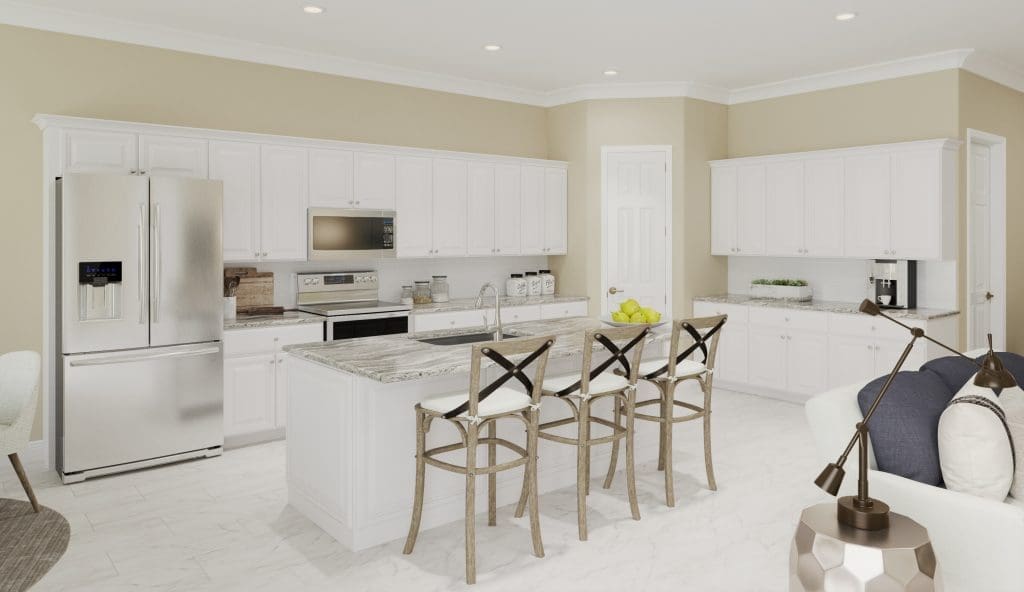
Functional kitchen designs simplify plant-based cooking, making it a more pleasant experience. Open-concept kitchens, featuring large islands, create multiple preparation areas. This setup promotes daily cooking and shared culinary adventures.
Well-designed kitchens prioritize fresh ingredients by offering:
-
Dedicated produce storage and refrigeration zones to keep fruits and vegetables accessible and fresh
-
Ample countertop space for chopping, blending, and meal prep
-
Ventilation and lighting designed for daily cooking, making frequent home cooking comfortable and inviting
These kitchen trends support healthier routines without feeling restrictive or overly prescriptive.
How Our Homes Are Designed With Longevity in Mind
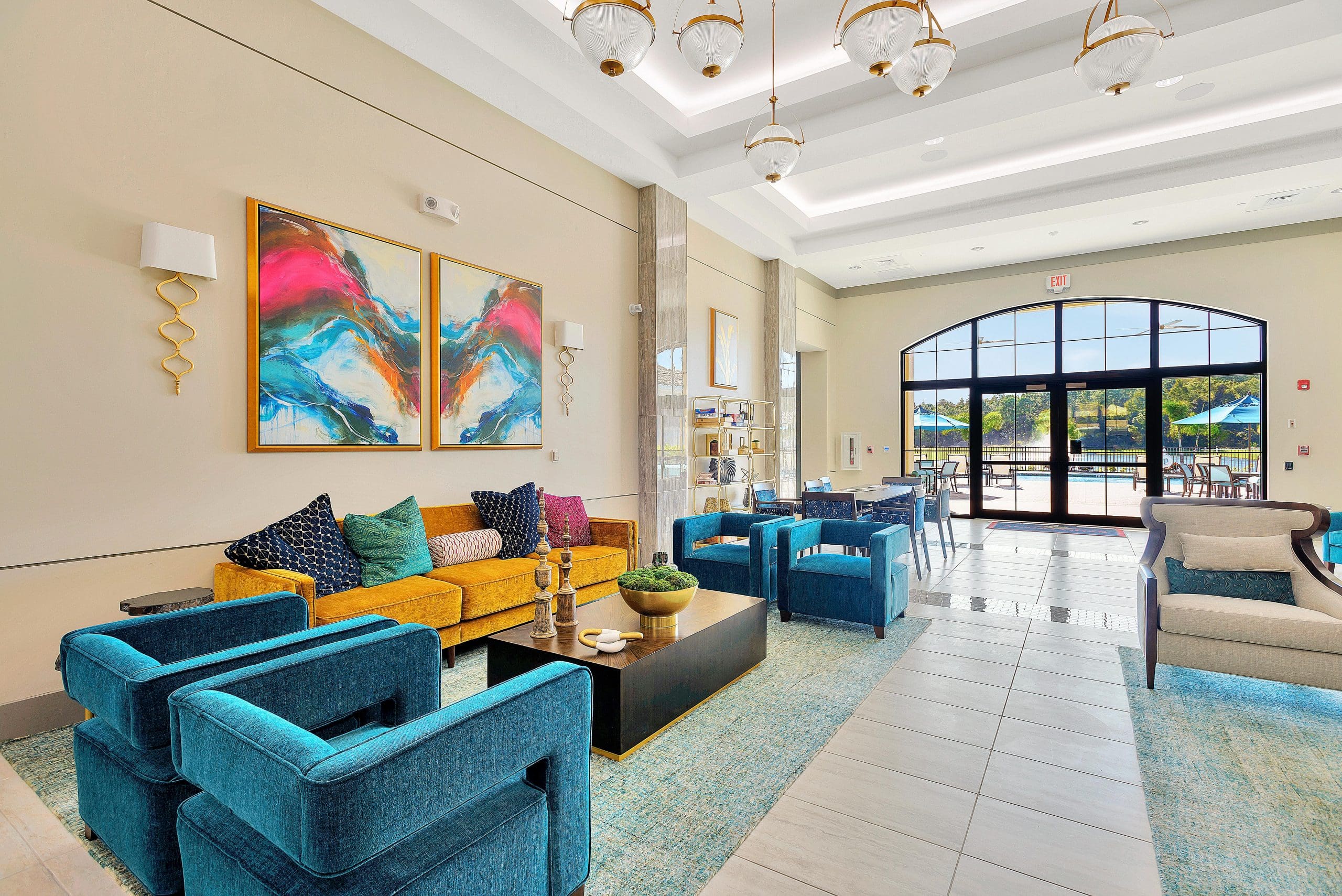
At Anand Nilay, the residences are designed to support a wide range of lifestyles. The kitchen design reflects a broader commitment to wellness, flexibility, and long-term living without limiting personal choice.
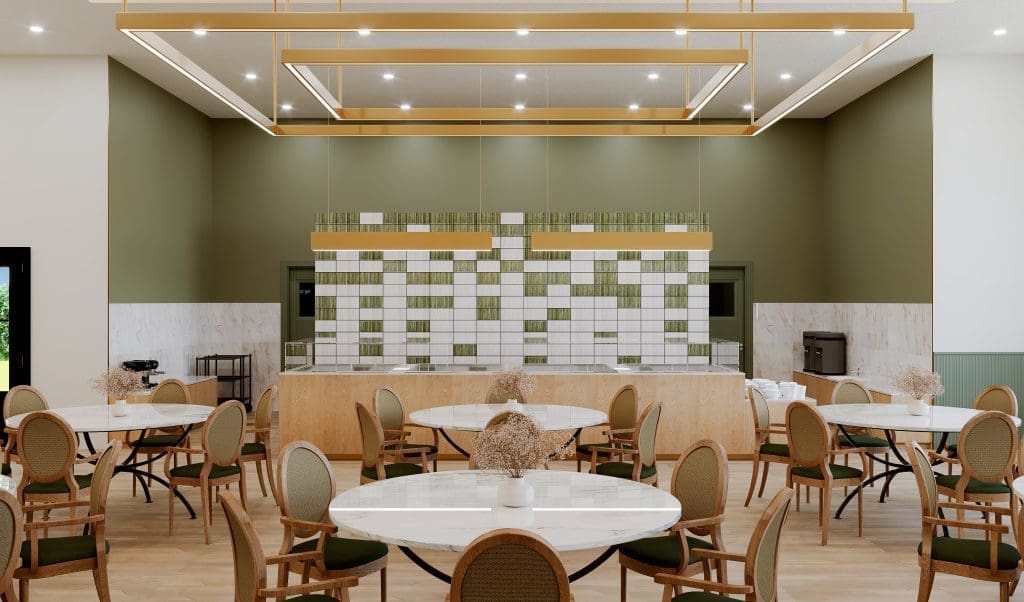
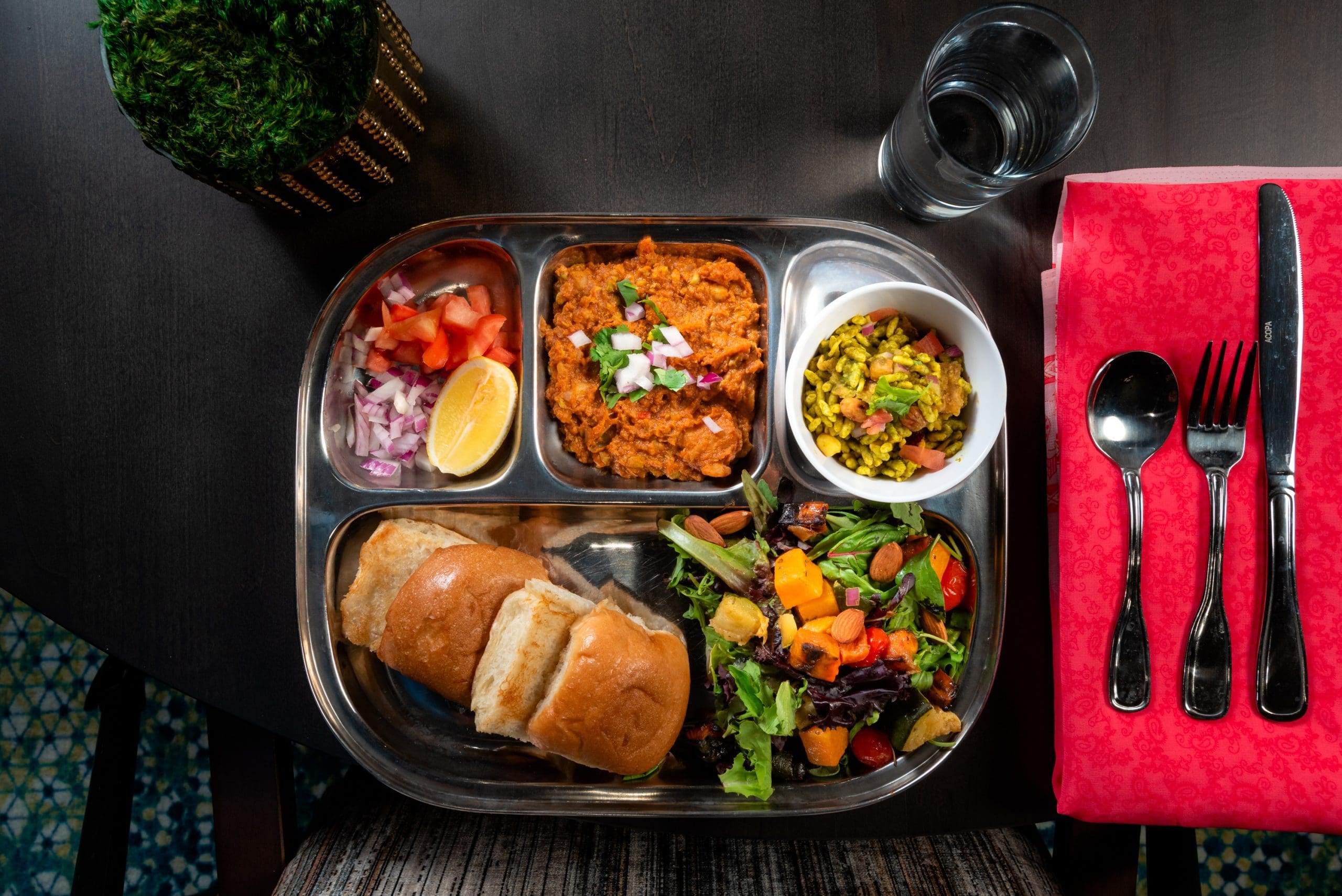
While Anand Nilay is not an exclusively vegetarian community, the community clubhouse dining hall is vegetarian, offering thoughtfully prepared meals that highlight the health and cultural benefits of plant-forward cuisine.
However, homeowners are free to cook according to their personal preferences, traditions, and dietary choices. Kitchens feature modern layouts, high-quality materials, energy-efficient appliances, and flexible storage solutions that accommodate everything from plant-based meal prep to family recipes passed down through generations.
The goal is not to prescribe how our residents eat, but to provide an environment that supports wellness, sustainability, and ease over time.
Designing for Longevity Starts at Home
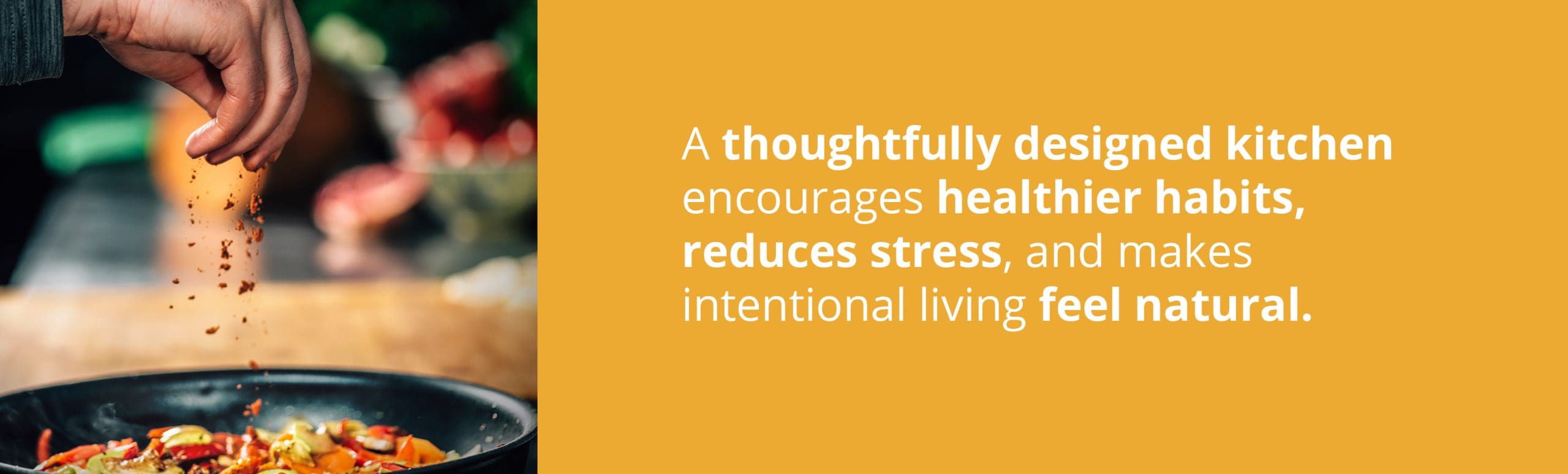
Vegetarian longevity isn’t just about what’s on your plate. It’s about how your home supports your daily routines. A thoughtfully designed kitchen encourages healthier habits, reduces stress, and makes intentional living feel natural rather than forced.
At Anand Nilay, kitchens are designed with the future in mind, balancing modern kitchen design trends, wellness-focused planning, and the freedom to live according to your own values. Whether you’re inspired by plant-forward living, cultural traditions, or a mix of both, the space where meals are prepared plays a lasting role in long-term health.
To learn more about Anand Nilay, explore the amenities, or discover thoughtful floor plans that prioritize modern living and long-term wellness, contact our team today. Your kitchen and your lifestyle should support you for years to come.